


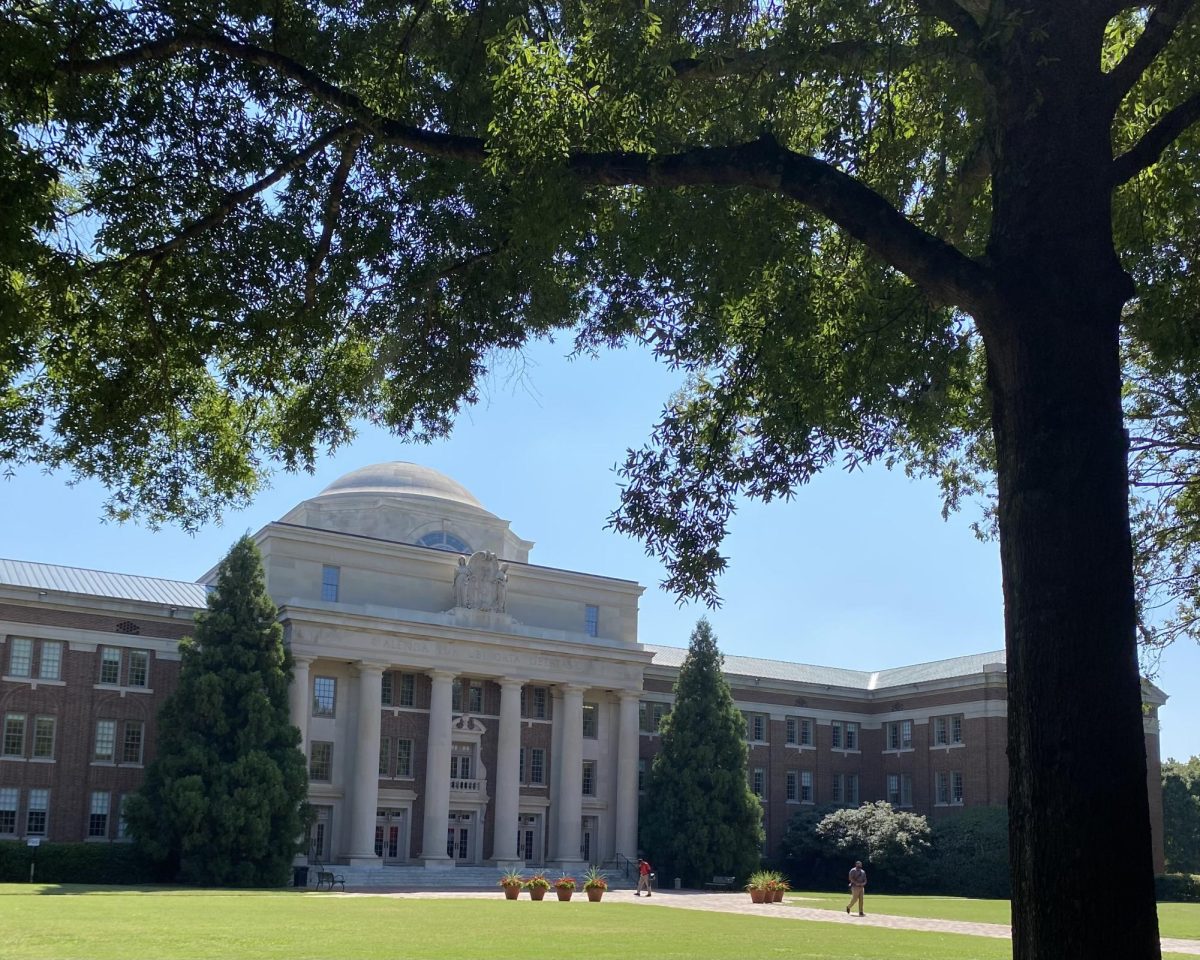
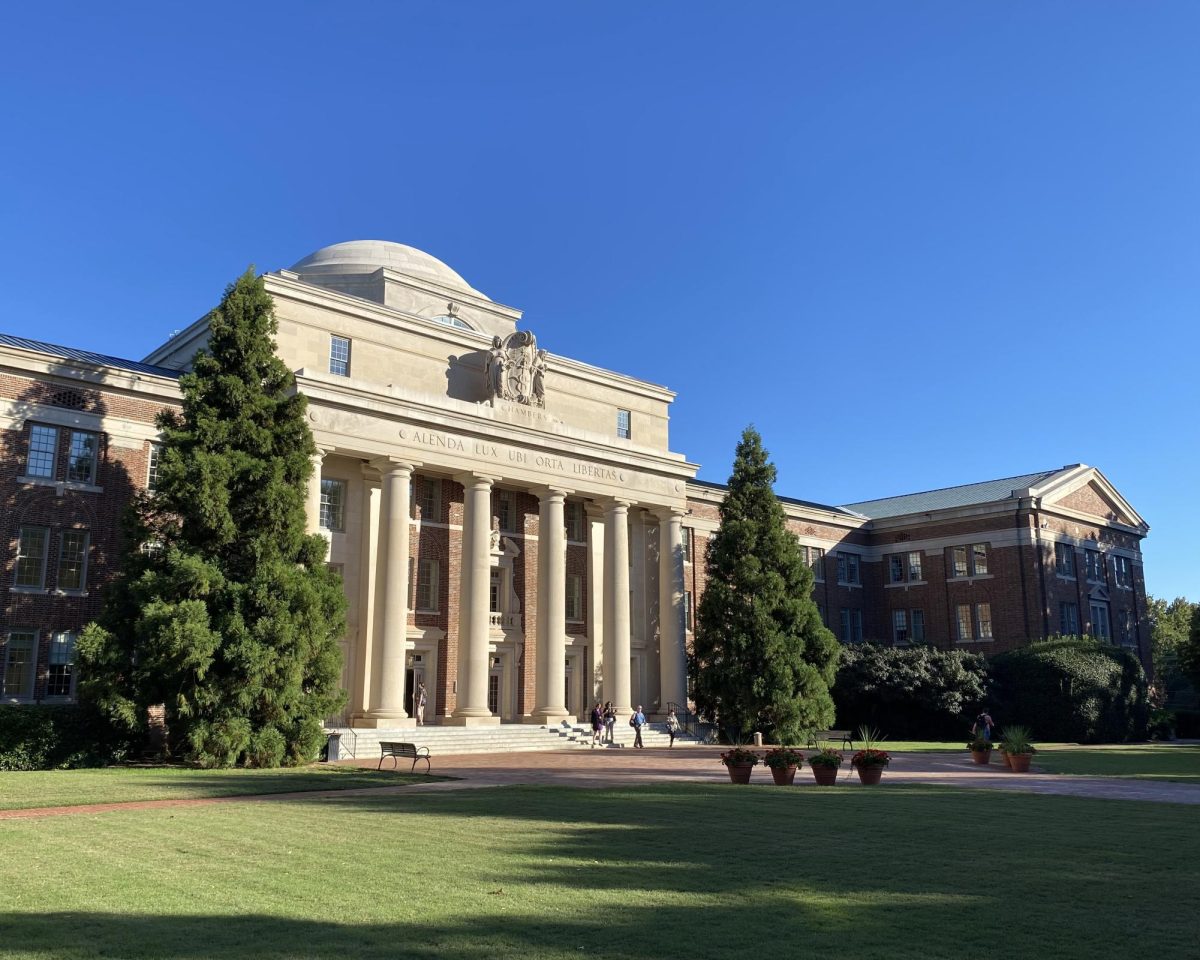


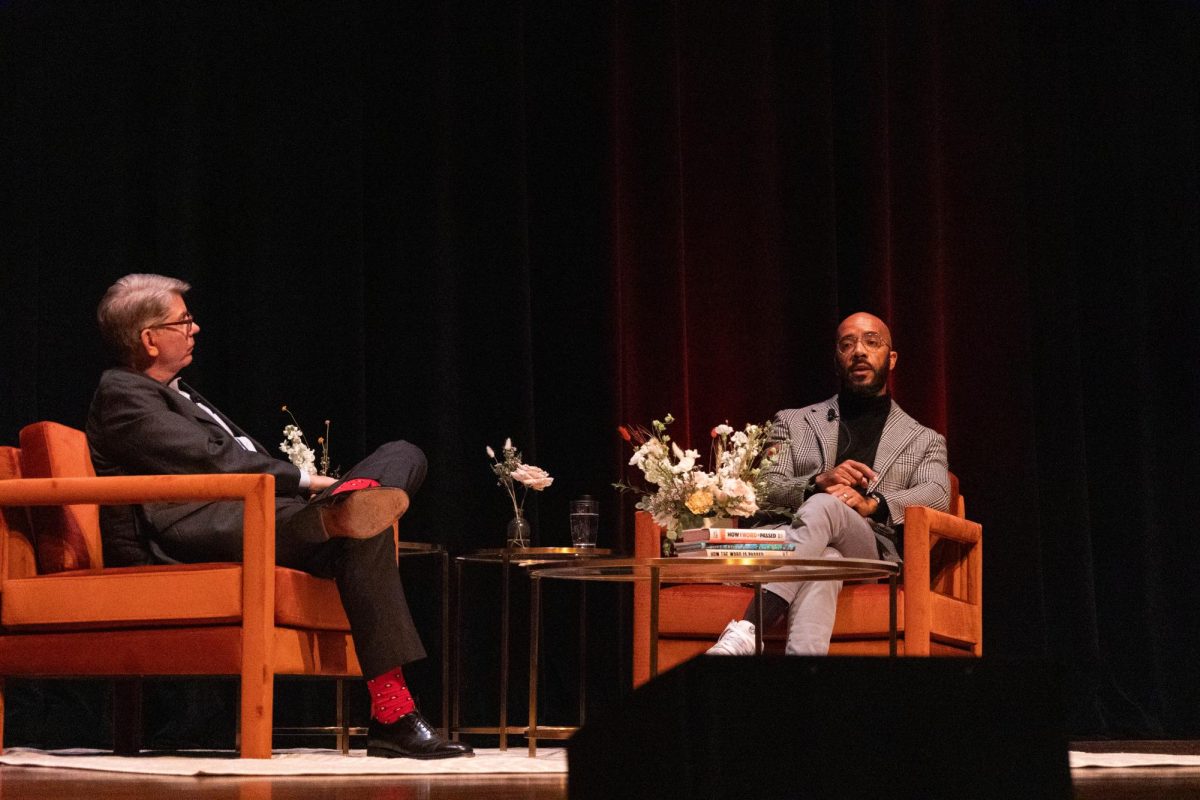


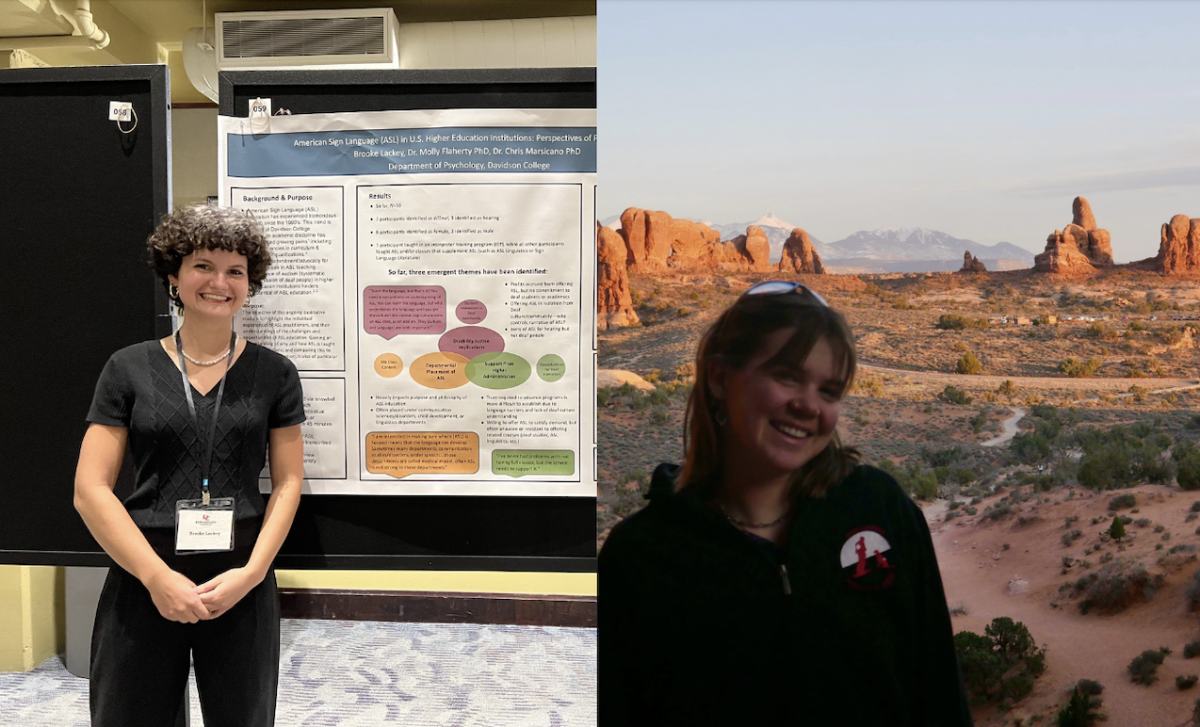
Two members of Davidson’s class of 2026 were selected as Thomas J. Watson Fellows, the College’s first since 2023. Brooke Lackey ‘26 and Neve Rauscher ‘26 will each receive $40,000 to pursue independent international projects.
The Watson Fellowship funds graduating seniors to pursue a year of independent study outside the U.S. The Watson Foundation partners with 41 colleges and universities around the country, mainly small liberal arts schools. Applicants design a project around a theme of their own choosing. This year’s fellows will explore climate activism, women’s soccer and sacred art among other topics. Candidates apply internally and are then nominated by their respective colleges. 40 out of the 155 students nominated this year at the national level received the fellowship.
Watson projects are often deeply personal. The foundation emphasizes “organic” projects and “imagination, courage and integrity” in the selected students. These qualities are largely subjective and difficult to quantify. Gaylena Merrit, Davidson’s director of fellowships, advises students to focus on themes that feel unique to their life experience.
“I encourage candidates to reflect and talk with those who know them best to identify key formative experiences and examples of how they’ve invested their time and energy into things they care about,” Merrit wrote in an email to The Davidsonian.
Lackey’s project is informed by her experience as a Child of Deaf Adults (CODA).
“In high school I wanted a space from that identity,” Lackey said. “In hindsight, I didn’t realize until getting to Davidson, but it really impacts the way that I connect with people and the way that I see the world. The way that I carry myself is so tied to the experiences I had interpreting from my parents.”
Applying for the Watson has been on Lackey’s radar since the summer following her sophomore year, when she studied Italian sign language and deaf culture in Sienna, Italy.
“I was obsessed with what I was doing there because I was around deaf people constantly, learning about deaf community in another country, which is something that I had never conceived of doing,” Lackey said. “[…] going and having that experience, it felt like its own mini Watson in itself. Then it was like, I’m obsessed with this. I want to keep doing this.”
Lackey taught American Sign Language at Davidson as a self-instructional language for five semesters. Its popularity grew over time and, last spring with 26 students in her class, Lackey began to advocate for Davidson to formalize ASL as a major or minor.
“It’s going to take years, and I think it’s gonna take a lot more people than just me, but I feel pretty lucky to have helped build that momentum,” Lackey said. “Especially last spring, when there were so many people it cultivated that feeling of community, it was like, wow we built this momentum together.”
Going through life as a CODA, studying deaf culture in Italy, teaching ASL at Davidson— all of these experiences culminated in the project Lackey ultimately proposed to the Watson foundation, which will take her to deaf communities in Scotland, France, Mongolia, Ghana and New Zealand. She also wants to explore the broader theme of living with ableism.
“It feels like a natural next step from what I’ve spent my time studying and learning,” Lackey said.
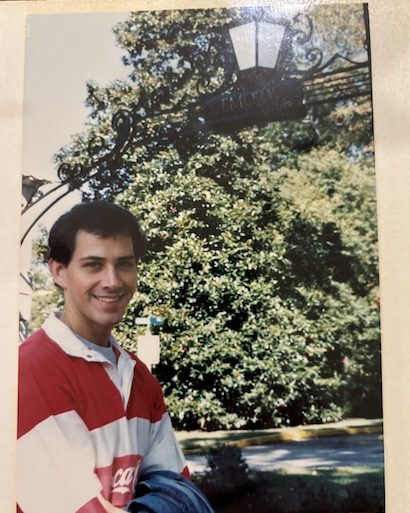
David Ethridge ‘88 spent a year in Indonesia, India and Egypt studying drought as a Watson Fellow before a long career in investment banking. He helped this year’s nominees through the application process and has a firm belief in the program.
“When you come back into either the job market or the path to graduate school, you’re going to be very differentiated versus the next person,” Ethridge said. “That’s something in this day and time where people are so stressed out about having that job locked up, it’s hard for them to see.”
He spoke to the significance of experiential learning.
“It’s about the journey itself and all the learning that happens there that impacts you,” Ethridge said. “There is an open mindedness that comes out of it.”
Rauscher’s project also has origins in her upbringing. She grew up in Salt Lake City, UT where her dad works in the ski industry. Snow, and water more broadly, serve as the city’s environmental and economic backbone. Her Watson takes inspiration from this relationship.
“Every winter the snow pack and how much snow we are getting matters a ton for his line of work, and we just spent so much time up near the mountains, the snow level really mattered,” Rauscher said.
Snowfall plays a key role in determining water levels in Salt Lake City’s Great Salt Lake, where lower levels can increase the risk of toxic dust storms. Utah is also a desert, so water scarcity was a year-round concern for Rauscher and her family.
“With the increase of climate change and the past few years having pretty erratic winters, it’s gotten to be something that everyone is just thinking about all of the time,” Rauscher said.
She brought that frame of reference to Davidson. Rauscher majors environmental science, a field that has shaped her research on campus and abroad.
“It was almost like a completely different world,” Rauscher said. “At first it was super cool to be in a place where you are always surrounded by frequent rainstorms, this resource that was so scarce at home. Then, something like Hurricane Helene happened and everywhere is starting to have a more complicated relationship with water, or everywhere that people call home.”
Water and home are the focal points of her Watson project. Rauscher will travel to Canada, Peru, Türkiye, Jordan, Nepal and India to explore changing water systems and how they influence people’s sense of place and sense of home.
“I think it’ll at least give me just kind of a crazy perspective on how people are being resilient in their climate adaptations,” Rauscher said. “Whether that’s changing their farming techniques or what they teach their kids about how they manage the water or negotiations between nations that have pretty tense relations right now. Learning about that will be really interesting and something you just can’t get staying home.”